
2026 Threat Report: Your traditional router is a gateway for hackers
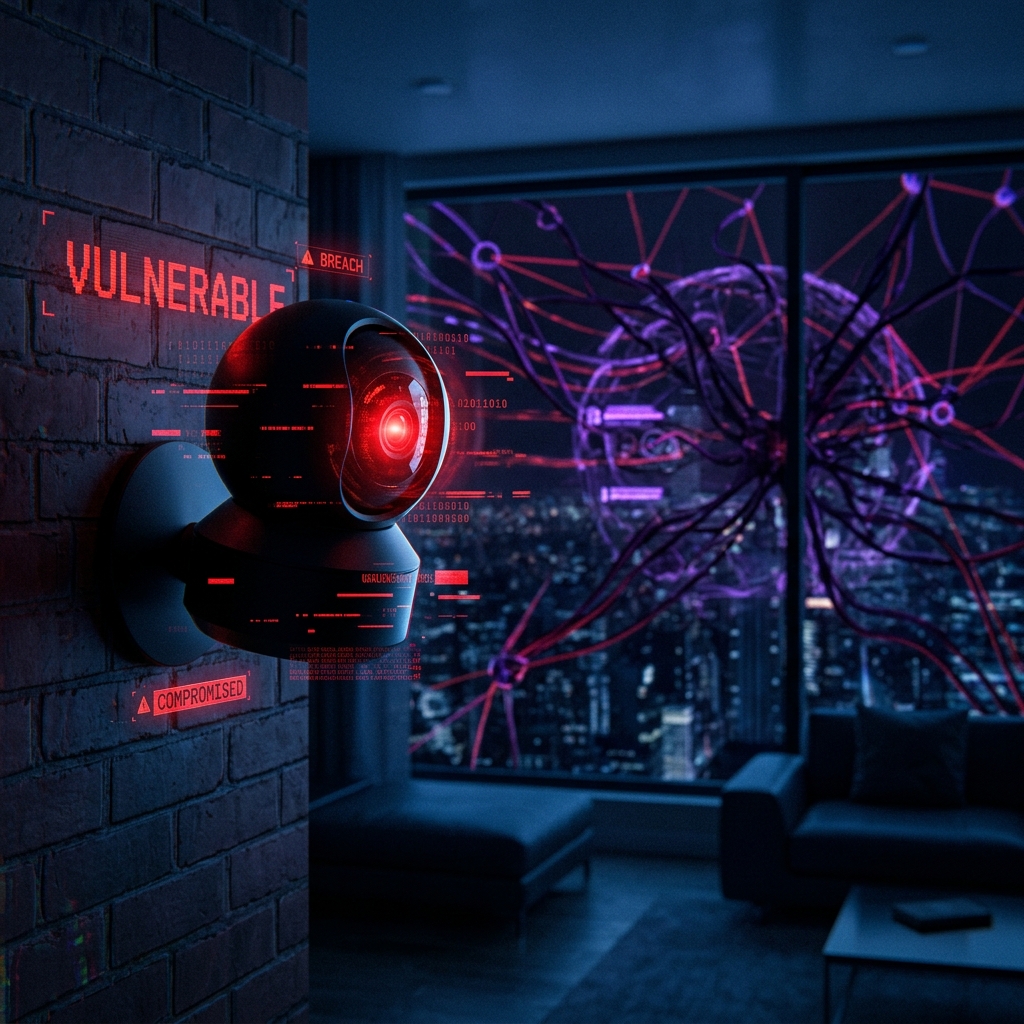
The cybersecurity world is evolving at a breakneck pace, but 2026 brings unprecedented changes driven by artificial intelligence in the hands of attackers. The latest reports from leading research firms and agencies paint a very specific and disturbing picture for home environments and small businesses.
The main culprit behind your data compromises? The edge router and cheap IoT devices.
A Terrifying Scale: 820,000 Attacks Daily
According to data collected in the first quarter of 2026, average home routers and smart home devices are the target of over 820,000 hacking attempts worldwide every single day.
Furthermore, industry network incident statistics indicate that over 75% of all home network security breaches (involving ransomware and data theft) begin by exploiting a vulnerability in poorly secured “Smart” hardware. The average global cost of remediation and data recovery after such an attack, in the context of home offices and smaller businesses, is now a shocking $130,000.
The New Face of Botnets and AI-Powered Attacks
Today, the volume of DDoS attacks generated by hijacked IP cameras and weak routers reaches 20 to 30 Terabits per second (Tbps) at peak times.
However, artificial intelligence is changing the rules of the game. Reports show that hackers use machine learning algorithms for automated reconnaissance. The time from publishing a new security vulnerability (0-day vulnerability) to a massive network attack has shortened from the standard weeks to just a few hours. AI modifies exploits on the fly to bypass traditional filters.
Why is the problem intensifying?
Analyses have proven that at the dawn of 2026, over half of IoT devices in homes contain critical, easy-to-exploit vulnerabilities. Manufacturers of cheap cameras use hardcoded service passwords and often do not offer firmware updates at all.
Experts have no doubts – the era of traditional, “flat” home networks is over. The GADNET project responds to these recommendations by introducing hardware microsegmentation. If you still trust your standard device from your Internet provider, it’s high time for reflection. Hackers today possess highly automated AI arsenals ready to infect your home in a fraction of a second.